The Future of Sustainable Landscaping: Smart Practices for Beautiful Outdoor Space

Key Takeaways
- Integrating native and drought-tolerant plants reduces water usage and supports local ecosystems.
- Smart irrigation systems optimize water efficiency by adjusting to real-time weather conditions.
- Incorporating edible gardens and multifunctional outdoor spaces enhances both utility and sustainability.
- Utilizing recycled and eco-friendly materials in hardscaping minimizes environmental impact.
Table of Contents
- Embracing Native and Drought-Tolerant Plants
- Implementing Smart Irrigation Systems
- Incorporating Edible Gardens
- Designing Multifunctional Outdoor Spaces
- Utilizing Eco-Friendly Hardscaping Materials
- Conclusion
Today’s homeowners are more environmentally aware than ever, prompting a shift toward sustainable landscaping solutions that foster both aesthetic and ecological value. Whether you are designing a new garden or updating your current yard, integrating eco-friendly practices is key to balancing natural beauty with responsible stewardship. For residents looking to enhance curb appeal or enjoy relaxing outdoor sanctuaries, working with an experienced landscaping design team like Vargas Bros Landscaping is an excellent first step. With years of industry expertise serving Salt Lake City, UT, Vargas Bros Landscaping specializes in sustainable approaches that conserve resources, support local ecosystems, and deliver transformative outdoor results tailored to the region’s unique climate. Their commitment to customized, functional designs makes them a trusted authority in landscape architecture.
Adopting smart landscaping methods not only bolsters your property’s environmental profile but also increases your enjoyment of the space. Forward-thinking landscaping approaches such as native planting, intelligent irrigation, and multifunctional outdoor living make it easier and more satisfying to achieve eco-friendly results without sacrificing style.
Embracing Native and Drought-Tolerant Plants
Transitioning to native and drought-tolerant species is a core principle of sustainable landscaping. These plants have evolved to thrive in local soil, temperature, and rainfall conditions, which means they require significantly less supplemental watering once established. Not only does this conserve valuable water resources, but native plants also act as critical habitats for pollinators, birds, and beneficial insects.
Prairies of native grasses, wildflowers, and shrubs create low-maintenance meadows with seasonal visual interest and robust ecological benefit. In drier regions, drought-tolerant succulents and ornamental grasses add texture and structure to the landscape while withstanding periods of heat and limited rainfall. For ideas on how native plants promote biodiversity and resilience, see The New York Times’ Guide to Native Plants.
Implementing Smart Irrigation Systems
Water efficiency is central to sustainable landscaping. Technological advancements in irrigation now enable homeowners to achieve lush, healthy gardens with only the water needed. Smart irrigation controllers base watering schedules on weather data and real-time soil moisture, adapting automatically as conditions change. This precision not only reduces waste but also prevents overwatering, which can cause root rot and other plant health issues.
These irrigation systems are often integrated with smartphone apps, allowing for remote management and notifications. Modern drip irrigation and micro-spray heads focus water exactly where it’s needed, further minimizing evaporation and runoff. Investing in smart irrigation is a practical way to maintain vibrant gardens while supporting water conservation initiatives. Learn more about efficient irrigation options at EPA WaterSense.
Incorporating Edible Gardens
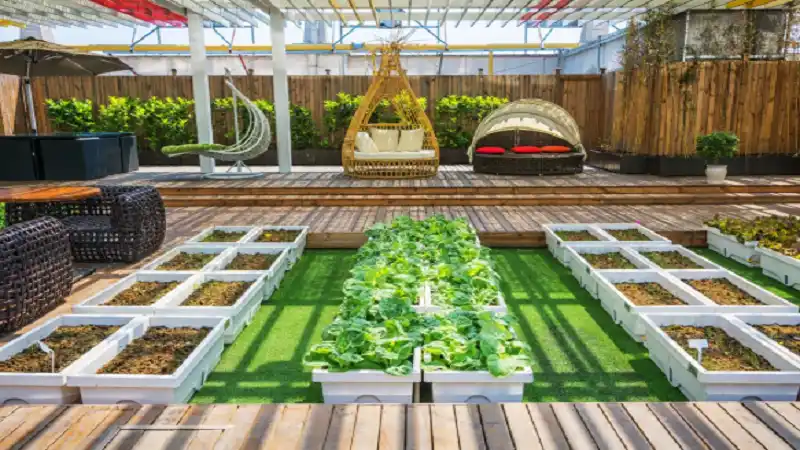
Edible gardens combine utility and aesthetics, making them an increasingly popular choice for sustainable landscapes. By integrating fruit trees, perennial herbs, and seasonal vegetables into your design, you not only enjoy fresh harvests but also reduce your environmental footprint. Growing food at home lessens dependence on trucked-in produce and fosters a deeper connection to nature.
Options abound, from raised bed installations to creative vertical gardens or container setups suitable for small patios. Carefully selecting plant combinations can enhance pollination and deter pests, making edible gardens synergistic with ornamentals. Edible landscaping is adaptable to almost any climate or property size, allowing more people to benefit from homegrown produce.
Designing Multifunctional Outdoor Spaces
Modern landscape design emphasizes versatility and connection. Thoughtfully arranged spaces serve multiple purposes, such as providing entertainment areas, havens for quiet reflection, and productive gardening spots. Outdoor kitchens, cozy fire pits, and shaded seating areas extend a yard’s usability throughout the year. These functional zones should be integrated with pathways, lighting, and plantings that harmonize with natural features.
Designing for flexibility ensures outdoor environments accommodate changing needs and lifestyles. Whether you dream of alfresco dining for family gatherings or meditation gardens for relaxation, the goal is to craft multi-use landscapes that are visually stunning and supportive of sustainable living.
Utilizing Eco-Friendly Hardscaping Materials
Hardscape elements, such as pathways, patios, decks, and fences, play a foundational role in landscaping. Sustainable practices call for selecting materials with lower environmental impacts, such as reclaimed wood, recycled plastics, and permeable concrete pavers. Permeable hardscapes are especially valuable because they allow rainwater to filter into the soil, reducing runoff and supporting healthy groundwater systems.
Repurposed bricks, recycled glass mulch, and composite lumber are just a few product options that marry durability with responsible sourcing. These materials often offer unique textures and colors, adding character to outdoor spaces while reflecting personal style. Opting for eco-friendly options affirms your commitment to conservation and contributes to a lasting, attractive landscape.
Conclusion
Building a beautiful outdoor environment is about more than just aesthetics; it is a commitment to sustainability, resilience, and harmony with nature. By prioritizing native plants, smart irrigation systems, edible and multifunctional garden spaces, and eco-conscious hardscaping materials, homeowners can lead the transition toward greener outdoor living. Sustainable landscaping is more than a trend; it is an investment in ecological health, regional biodiversity, and the future enjoyment of our shared natural world.
Key Takeaways Integrating native and drought-tolerant plants reduces water usage and supports local ecosystems. Smart irrigation systems optimize water efficiency by adjusting to real-time weather conditions. Incorporating edible gardens and multifunctional outdoor spaces enhances both utility and sustainability. Utilizing recycled and eco-friendly materials in hardscaping minimizes environmental impact. Table of Contents Embracing Native and Drought-Tolerant…