Arizona’s Rising Jewelry Scene and What Makes it so Special

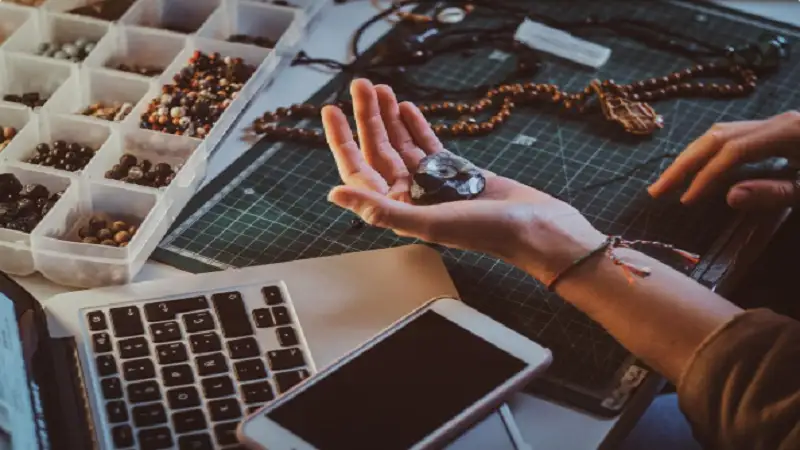
Arizona’s jewelry scene has been quietly gaining momentum, drawing attention from buyers, collectors, and sellers who might once have looked only to traditional luxury hubs. The state offers a rare combination of cultural depth, skilled craftsmanship, and a market that feels both accessible and sophisticated.
Longstanding traditions coexist with modern design and technology, creating a jewelry landscape that feels authentic rather than manufactured. As preferences shift toward transparency, individuality, and long-term value, Arizona naturally fits the direction the market is moving, so why is it still underestimated by so many?
How Arizona Became an Unexpected Jewelry Destination
Arizona’s jewelry story didn’t start with luxury showrooms; it started with craftsmanship rooted in place. For generations, Native American silversmithing and stonework shaped how jewelry was made and valued in the region. Materials like turquoise weren’t just decorative; they carried cultural meaning and practical value. As tourism expanded, visitors encountered this artistry firsthand, often buying pieces that felt personal rather than mass-produced.
Over time, that steady interest laid the groundwork for a broader market. Artisan traditions evolved alongside changing tastes, and local jewelry moved beyond roadside markets into more refined retail spaces. What’s interesting is how this growth happened without losing its regional identity. Instead of copying coastal luxury models, Arizona developed its own rhythm, one that blends heritage with accessibility.
So, What’s Driving the Buzz Today?
Arizona’s recent population growth plays a major role in its jewelry momentum. New residents bring disposable income, different tastes, and expectations shaped by larger markets. Many arrive asking a simple question in the middle of their buying journey: why pay coastal premiums when quality is just as strong here? That demand supports everything from fine jewelry to estate pieces.
The state’s business environment also matters. Lower overhead costs allow jewelers to operate sustainably without inflating prices, which benefits both buyers and sellers. Add a growing appreciation for transparent pricing and expert evaluation, and the market becomes easier to trust. Momentum builds quickly when people feel informed rather than pressured.
Where Culture and Craftsmanship Naturally Meet
Arizona jewelry often feels grounded, and that’s not accidental. Southwestern aesthetics influence everything from metalwork to stone selection, creating pieces that feel intentional rather than trend-driven. Even modern designs tend to carry subtle references to landscape, history, or symbolism. That sense of place gives jewelry emotional weight, not just visual appeal.
Today’s buyers increasingly value that depth. In the middle of browsing, many pause to ask whether a piece tells a story or simply fills a trend slot. Arizona’s jewelry scene answers that question well. Cultural influence here isn’t a marketing angle; it’s part of the foundation.
Not Just a Great Place to Buy, A Smart Place to Sell, Too
Arizona’s jewelry market works in both directions, which strengthens it overall. Sellers benefit from an active buyer base that understands value and isn’t limited to local demand. Estate jewelry, inherited pieces, and older collections often find more competitive interest here than in oversaturated markets. That balance keeps transactions fair rather than rushed.
Trust plays a big role in that dynamic. Sellers want clear explanations, realistic valuations, and time to make decisions. Arizona’s market has matured to support that approach, which is why so many transactions happen through referrals and established jewelry buyers and appraisers, rather than impulse. A healthy resale environment signals confidence across the entire industry.
The Growing Love for Estate and Vintage Pieces
Estate and vintage jewelry have moved from niche interest to mainstream appeal. Buyers are drawn to craftsmanship that reflects eras when jewelry was built to last, not just to sell quickly. In the middle of the decision process, many realize that older pieces often offer better materials and construction. That realization changes how people define value.
Sustainability also plays a role. Choosing existing jewelry reduces demand for new mining while preserving artistry that already exists. Younger buyers, in particular, see vintage pieces as a way to stand out without chasing trends. Arizona’s strong estate market makes those choices easier to explore.
When Old-World Art Meets Modern Innovation
Technology has quietly reshaped Arizona’s jewelry scene without overpowering it. Advanced grading tools and authentication methods improve accuracy and consistency, which benefits everyone involved. Custom design technology allows buyers to participate in the creative process rather than settle for fixed options. The result is personalization without sacrificing craftsmanship.
Digital visibility has also expanded reach. People now discover Arizona jewelers long before setting foot in the state, often comparing options with a more informed eye. In the middle of that research, buyers tend to value transparency over flash. Arizona’s balance of innovation and restraint fits that mindset well.
Turning Jewelry Shopping Into an Experience
Jewelry shopping in Arizona often feels less transactional and more intentional. Many buyers encounter it as part of a larger trip, which changes how they engage with the process. Instead of rushing, they take time to learn, compare, and reflect. That slower pace leads to more confident decisions.
Retail environments also support this shift. Private appointments, relaxed settings, and knowledgeable guidance make the experience feel personal. When jewelry is tied to travel memories or milestones, it carries added meaning. Arizona has leaned into that experiential side without turning it into a spectacle.
What Today’s Jewelry Buyers Truly Care About
Modern buyers ask different questions than they did a decade ago. Ethical sourcing, long-term value, and durability matter as much as appearance. In the middle of evaluating a piece, many pause to consider whether it will still feel relevant years from now. That mindset favors timeless design over novelty.
Education plays a role here as well. Buyers arrive better informed and less willing to rely on assumptions. They want clear explanations, not sales pressure. Arizona’s jewelry scene has adapted by meeting curiosity with expertise rather than urgency.
The Challenges Behind the Success
Rapid growth brings competition, and Arizona’s jewelry market is no exception. More options mean buyers must navigate a crowded landscape, which increases the importance of reputation. Jewelers who prioritize clarity and consistency stand out more than those chasing volume. Trust becomes the differentiator.
Economic conditions also influence luxury spending. While Arizona’s market has proven resilient, it still responds to broader shifts. Maintaining craftsmanship standards while scaling operations is an ongoing challenge. Sustainable growth depends on resisting shortcuts, even when demand rises.
Conclusion
Arizona’s rise in the jewelry world reflects more than changing tastes or population growth; it shows how a market can evolve without losing its identity. Strong demand, cultural influence, and a balanced approach to innovation have created an environment that benefits both buyers and sellers.
Instead of chasing trends, the state has built credibility through consistency, craftsmanship, and trust. With those fundamentals in place, Arizona’s jewelry scene feels less like a moment and more like a lasting shift, one that’s only beginning to reshape expectations.
Arizona’s jewelry scene has been quietly gaining momentum, drawing attention from buyers, collectors, and sellers who might once have looked only to traditional luxury hubs. The state offers a rare combination of cultural depth, skilled craftsmanship, and a market that feels both accessible and sophisticated. Longstanding traditions coexist with modern design and technology, creating a…