Common Dental Problems in Children (and How Parents Can Prevent Them Early)

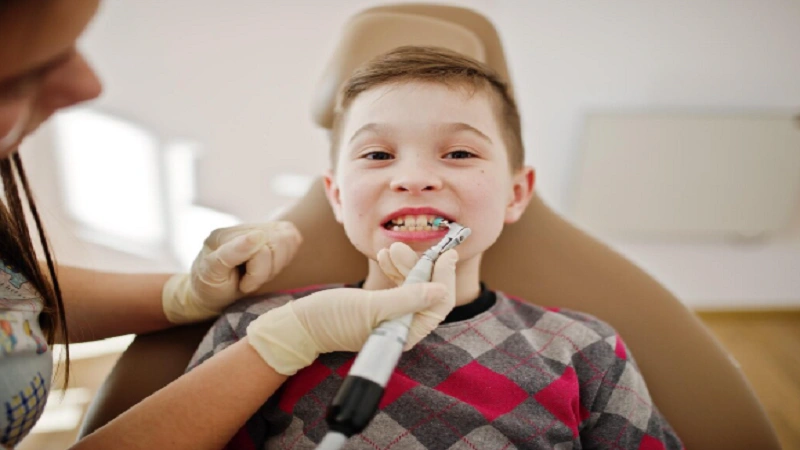
Parents often assume that dental issues are a concern for later in life—but many oral health problems begin in childhood. In fact, tooth decay remains one of the most common chronic conditions among children worldwide. The good news is that most pediatric dental problems are preventable with early awareness, consistent habits, and timely professional care.
This guide breaks down the most common dental problems in children and, more importantly, what parents can do to address them before they escalate.
1. Tooth Decay (Cavities)
Why it happens
Tooth decay occurs when bacteria in the mouth feed on sugars and produce acids that erode enamel. Children are especially vulnerable due to frequent snacking, sugary drinks, and still-developing brushing habits.
Early signs
- White spots on teeth (early enamel damage)
- Sensitivity to hot or cold foods
- Visible holes or discoloration
Prevention strategies
- Brush twice daily with fluoride toothpaste
- Limit sugary snacks and drinks, especially before bedtime
- Encourage water as the primary drink
- Schedule regular dental checkups
Cavities can progress quickly in children, so early intervention is critical. Even baby teeth matter—they guide proper alignment and speech development.
2. Gum Disease (Gingivitis)
Why it happens
Gingivitis is caused by plaque buildup along the gumline. While often associated with adults, children can develop it due to poor oral hygiene.
Early signs
- Red or swollen gums
- Bleeding during brushing or flossing
- Bad breath
Prevention strategies
- Teach proper brushing along the gumline
- Introduce flossing as soon as teeth begin to touch
- Reinforce consistency, not just technique
Left untreated, gingivitis can progress into more serious gum conditions later in life.
3. Tooth Sensitivity
Why it happens
Children may experience sensitivity due to enamel erosion, cavities, or even aggressive brushing.
Early signs
- Pain when eating hot, cold, or sweet foods
- Avoidance of certain foods
Prevention strategies
- Use a soft-bristle toothbrush
- Avoid overly abrasive toothpaste
- Address underlying issues like cavities early
Sensitivity is often a signal of a deeper issue, so it shouldn’t be ignored.
4. Early Tooth Loss
Why it happens
While losing baby teeth is natural, premature loss due to decay or injury can cause alignment problems for permanent teeth.
Early signs
- Loose teeth earlier than expected
- Gaps forming too soon
Prevention strategies
- Protect teeth from decay
- Use mouthguards during sports
- Seek prompt care after dental injuries
Maintaining the integrity of baby teeth helps ensure proper spacing and alignment later on.
5. Thumb Sucking and Pacifier Use
Why it happens
These habits are natural for infants and toddlers but can become problematic if they persist beyond age 3–4.
Early signs of impact
- Misaligned teeth
- Changes in jaw development
- Open bite (front teeth don’t meet properly)
Prevention strategies
- Gradually discourage the habit after age 3
- Offer positive reinforcement instead of punishment
- Replace the habit with comforting alternatives
Early behavioral guidance can prevent the need for orthodontic treatment later.
6. Teeth Grinding (Bruxism)
Why it happens
Children may grind their teeth due to stress, misaligned teeth, or even growth phases.
Early signs
- Grinding sounds during sleep
- Worn-down tooth surfaces
- Jaw discomfort
Prevention strategies
- Monitor for patterns and triggers
- Encourage relaxation before bedtime
- Consult a dentist if grinding is frequent or severe
In many cases, children outgrow bruxism—but monitoring is key to avoiding long-term damage.
7. Dental Anxiety and Avoidance
Why it happens
Fear of the dentist can lead to skipped visits, allowing small issues to become serious problems.
Early signs
- Resistance before appointments
- Anxiety or distress during visits
Prevention strategies
- Start dental visits early (by age 1)
- Choose a child-friendly dental environment
- Use positive language around dental care
Establishing a healthy relationship with dental visits early can influence lifelong habits.
The Role of Preventive Dental Visits
Routine dental checkups are not just for treating problems—they’re essential for preventing them. Professional cleanings remove plaque buildup that brushing may miss, while early screenings help detect issues before they worsen.
Parents looking for guidance from experienced professionals often consult a trusted pediatric dentist in Stafford, VA to ensure their child’s oral health is monitored consistently and proactively.
Building Strong Dental Habits at Home
Prevention doesn’t happen at the dental office alone—it starts with daily routines at home. Here’s how parents can build a strong foundation:
1. Make brushing non-negotiable
Establish brushing as part of the morning and bedtime routine. Supervise younger children to ensure proper technique.
2. Turn oral care into a positive experience
Use music, timers, or reward systems to make brushing engaging rather than a chore.
3. Be mindful of diet
Frequent snacking—especially on sugary or sticky foods—creates a constant environment for bacteria to thrive. Opt for tooth-friendly snacks like fruits, vegetables, and cheese.
4. Lead by example
Children mimic behavior. When they see parents prioritizing oral hygiene, they’re more likely to adopt the same habits.
Why Early Prevention Matters
Many parents underestimate how quickly dental problems can progress in children. What starts as a minor issue—like plaque buildup—can evolve into cavities, infections, or alignment problems if left unchecked.
Early prevention offers three key advantages:
- Lower long-term costs by avoiding complex treatments
- Better overall health, as oral health is closely linked to systemic health
- Improved confidence, especially as children grow and become more socially aware
Final Thoughts
Children’s dental health is not just about avoiding cavities—it’s about setting the foundation for a lifetime of healthy habits. By understanding common dental problems and taking proactive steps early, parents can significantly reduce the risk of complications down the line.
Consistent routines, smart dietary choices, and regular dental visits work together to protect your child’s smile. The earlier these practices are established, the easier they become—and the greater their long-term impact.
Parents often assume that dental issues are a concern for later in life—but many oral health problems begin in childhood. In fact, tooth decay remains one of the most common chronic conditions among children worldwide. The good news is that most pediatric dental problems are preventable with early awareness, consistent habits, and timely professional care.…