How Daily Habits Influence Long-Term Weight Management

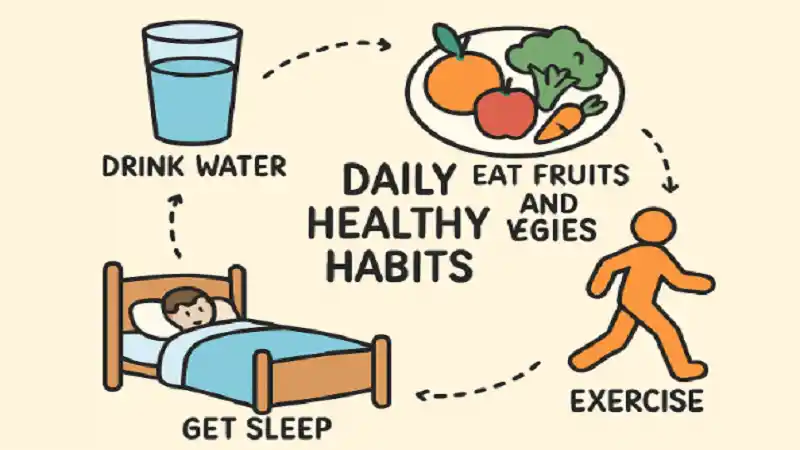
Table of Contents
- The Importance of Consistency
- Healthy Eating Habits
- Regular Physical Activity
- Adequate Sleep
- Stress Management
- Hydration
- Mindful Eating
- Conclusion
Achieving and sustaining a healthy weight is far more complex than simply dieting or exercising on occasion. Day-to-day choices hold the real power when it comes to lasting results. By building practical routines, you don’t just shed pounds—you create a foundation for lifelong health. Discover how something as simple as upgrading a meal or carving out time for a brisk walk can shape your future. If you’re exploring targeted support, weight loss injections Richmond, VA, can complement good habits for those seeking medically supervised options in their journey to wellness.
Long term weight management lies in small steps that are repeatable in nature and have become part of daily living. These decisions determine metabolism, hormonal regulation, and affect your energy. Forming such habits as mindful eating, keeping hydrated, and stress management not only contribute to losing weight, but also make a positive difference in the way you feel, feel stronger, and feel more confident. It could be meal planning, morning routine, creating a bedtime ritual, or some other little things, but it is the sum of these little actions that produces a phenomenal change with time.
You can relax your body and make it do well by not taking drastic steps in the short-term, but by concentrating on the regular patterns. Eating healthy routines facilitates mentally stable metabolism, lean muscle mass, and a positive outlook, which are essential to prevent the presence of the so-called yo-yo dieting and rapid weight gain and loss.
The following strategies are based on the research and clinical recommendations and provide a sustainable roadmap to health. Being educated to make a balance between food, exercise, and self-management is the key to success. To gain more knowledge, official sources like the Centers for Disease Control and Prevention (CDC) are a source of evidence-based information on what is needed when it comes to managing your weight.
The Importance of Consistency
Coherence is the key to an effective weight management plan. The establishment and adherence to a daily routine is a stabilizing factor to your metabolism, appetite, and health. According to some recent studies published in Harvard Health, people who adhere to regular activities in terms of timing their meals, sleep, and physical exercises have fewer chances of regaining lost weight. This method develops a condition in which the body is more predictable in its operations, preventing unpredictable urges and promoting a consistent improvement.
Healthy Eating Habits
It is essential to eat fruits, greens, lean meat, and whole grains in variety. Unhealthy fats or added sugar contain highly processed foodstuffs that are counterproductive to weight control. When the trend is shifted towards low-ikeness and high-nutrition products, the level of satiety and better health in the long run will improve. As the CDC’s Before Eating Guide says, little effort can be gained within a short period of time, like replacing soda with water or increasing the amount of vegetables.
Regular Physical Activity
Exercise is not merely a calorie burner but a metabolism booster, mood enhancer, and stress reliever. It is recommended to target 150 minutes of moderate intensity activity, like walking, cycling, or swimming, five days a week. Exercise maintains lean muscle mass, improves the level of the cardiovascular system, and also helps in controlling appetite. Studies show that a person who has made a habit of moving regularly, even in small daily step,s has a high chance of maintaining permanent weight loss.
Adequate Sleep
It is essential to ensure that one gets enough sleep (7-8 hours) and sleep of good quality every night so that the hormones that control hunger and fullness can be effective. The inadequacy of sleep can disrupt the ghrelin and leptin balance, which results in an elevated level of appetite and diminished fullness following a meal. Poor sleeping habits may be chronic and linked to increased body weight and a high probability of metabolic disorders. Setting a regular bedtime and avoiding too much time at the end of the day in front of the computer monitor are two very easy yet effective methods of making a difference.
Stress Management
Continuous stress usually leads to emotional eating and hormonal imbalance. This pattern can be overcome by developing coping strategies, e.g., taking notes, meditating, or performing routine rest activities. Strategies that can be used to deal with stress are deep breathing, social support, and time spent on non-food rewards. Moreover, the process of exercise is a strong buffer against daily stressors that will provide mental and physical balance.
Hydration
This is because sipping water always helps in digestion, metabolism, and combating unwanted snacking. Research indicates that pre-meal water intake can dramatically decrease the amount of calories and make one feel fuller. According to the National Academy of Medicine, the daily water requirements are about 13 cups of water a day in males and 9 cups of water a day in females, but the amount may depend on activity and climate. By ensuring that hydration is a non-negotiable in the routine, you will be ensuring promising long-term outcomes.
Mindful Eating
Mindful eating is not entirely about eating preferences, but rather about food habits. It is necessary to slow down, become more mindful of flavors, and listen to the signals of hunger and fullness. Studies have shown that when one eats without being distracted by television or cell phones, there is more satisfaction, and chances of overeating are minimized. It takes time to develop the awareness of the signals that your body provides, yet it is rewarded with making the process of eating an engaging and balanced experience.
Conclusion
This is because sustainable weight management is the result of daily efforts, and not short-term solutions. Each decision, what you put on the plate, how you move about, the way you handle stress, and putting more emphasis on rest, solidifies your efforts and your strength. With a set of habits focused on a healthy diet, exercise, proper sleep, hydration, and conscious living, you are setting the foundation of long-term health and wellbeing. The long-term outcomes are due to a series of small and steady actions that, after some time, will change the relationship with food, movement, and self-care.
Table of Contents The Importance of Consistency Healthy Eating Habits Regular Physical Activity Adequate Sleep Stress Management Hydration Mindful Eating Conclusion Achieving and sustaining a healthy weight is far more complex than simply dieting or exercising on occasion. Day-to-day choices hold the real power when it comes to lasting results. By building practical routines, you…