How Flooring Choices Impact Safety in Industrial Workspaces

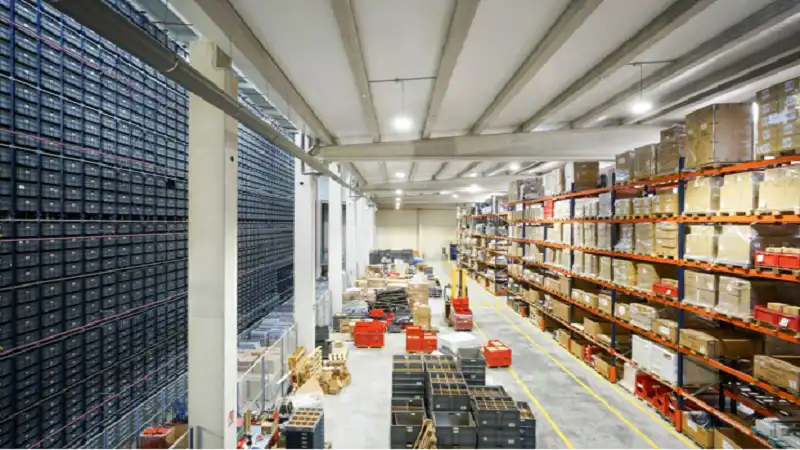
Safety in industrial environments is shaped by hundreds of small decisions, including the flooring. The right system supports safe movement, stable equipment, and predictable performance across busy sites. The wrong choice can introduce risk in ways that are easy to overlook.
Flooring is part of a safety strategy. From factories and distribution centres to warehouse flooring in logistics hubs, surface performance affects how people work, how vehicles move, and how incidents are prevented before they start. In this guide, we’ll discuss how your flooring choices impact safety in industrial facilities.
Slip Resistance and Predictable Footing
Slips remain one of the most common causes of workplace injuries in Australia. Even in well-managed facilities, moisture, dust, and routine wear can reduce traction. A properly specified industrial floor adds a controlled level of slip resistance that suits the environment without interfering with workflow.
This balance matters. A surface that is too smooth increases risk in wet areas. On the other hand, a surface that is too aggressive can create trip hazards or fatigue for workers on foot. Industrial coatings are engineered to match specific use cases. When traction is consistent, workers build trust in their environment and move with more confidence.
Load Handling and Structural Integrity
Industrial floors carry serious weight. Racking systems, pallet loads, and heavy vehicles place ongoing stress on the substrate. When flooring is not designed for these loads, surface degradation can appear gradually. Minor surface wear may seem cosmetic at first, but it can change how equipment behaves and how safely materials are handled.
A strong flooring system distributes weight evenly and protects the concrete below. This stability supports safer stacking, smoother vehicle travel, and fewer sudden jolts that could unsettle loads. In warehouse flooring, where movement is constant, a stable surface helps operators maintain control and precision. That stability reduces strain on machinery and on the people operating it.
Surface Clarity and Visual Safety Cues
Line marking, colour zoning, and hazard indicators are far more effective when applied to a surface that remains clean, level, and durable. Visual cues guide traffic, separate pedestrian zones, and highlight restricted areas. These signals only work when they stay visible.
High-performance coatings protect markings from fading and abrasion. In large industrial spaces, especially warehouses with shifting inventory layouts, clear floor guidance helps teams adapt without confusion. A well-maintained floor supports consistent navigation, which contributes to smoother operations and fewer near misses.
Hygiene and Contamination Control
Certain industrial environments demand strict cleanliness. Food processing, pharmaceuticals, and advanced manufacturing rely on floors that resist contamination and allow easy cleaning. Seamless flooring systems remove joints and cracks where debris can gather. This reduces bacterial growth and simplifies maintenance routines.
Even in general warehouse flooring, dust control plays a role in safety. Fine particles can affect air quality and create slippery surfaces. A sealed, easy-to-clean floor helps keep the environment healthier and more predictable. When cleaning is straightforward, teams are more likely to maintain standards day after day.
Fatigue Management and Worker Comfort
Long shifts on hard surfaces take a toll. While industrial floors must remain durable, they can also be designed with worker comfort in mind. Some systems offer slight flexibility or ergonomic benefits that reduce strain on joints and muscles. Over time, this contributes to better focus and fewer fatigue-related mistakes.
Comfort is often discussed in terms of productivity, but it is also a safety issue. Tired workers are more prone to missteps and slower reaction times. A thoughtfully selected floor supports both physical well-being and alertness across the shift.
Compliance and Risk Reduction
Australian workplace safety frameworks place a strong emphasis on hazard control. Flooring forms part of that conversation. Slip resistance ratings, chemical resistance, and fire performance are not abstract features. They connect directly to compliance and risk management.
Choosing an industrial flooring system that aligns with relevant standards helps businesses demonstrate due diligence. It shows a proactive approach to creating safer environments rather than reacting after an incident. For warehouse flooring in particular, where mixed traffic and high activity are the norm, compliance-driven design offers peace of mind for managers and teams alike.
Long-Term Performance Equals Long-Term Safety
Floors that resist wear, impact, and chemical exposure maintain their safety features over time. That consistency matters because gradual deterioration can introduce subtle hazards that go unnoticed until an incident occurs.
A durable flooring system protects its safety characteristics year after year. It keeps traction levels stable, markings clear, and surfaces level. In busy industrial settings, that reliability is worth its weight in gold. Why invest in a surface that only performs well for a short window?
A Foundation for Safer Operations
When the floor performs as intended, teams can focus on their tasks rather than compensating for environmental risks. By choosing systems engineered for industrial demands, businesses create environments where people can move, lift, and operate safely and with confidence.
Safety in industrial environments is shaped by hundreds of small decisions, including the flooring. The right system supports safe movement, stable equipment, and predictable performance across busy sites. The wrong choice can introduce risk in ways that are easy to overlook. Flooring is part of a safety strategy. From factories and distribution centres to warehouse…